NVIDIA cuPhoton Brings Real-Time Black Hole Science to GPUs
NVIDIA cuPhoton moves the scientific data pipeline onto GPUs, helping researchers study black holes as events unfold.
- Eight radio observatories worked together as a virtual telescope the size of Earth to capture the first image of a black hole in the M87 galaxy
- cuPhoton streams only the data needed for black hole jets and overlaps loading with signal processing, reconstruction, analysis and visualization, all of which AI agents can run
- It speeds up data loading by up to 3,700x and correlation by up to 460x, scaling across multi-node systems powered by the NVIDIA Vera Rubin platform
- Data can now be acquired at rates up to 345 GHz, cuPhoton reduces months of compute to minutes and help resolve the light rings around black hole
Learn More: https://www.nvidia.com/en-us/high-performance-computing/ai-for-science/cuphoton/


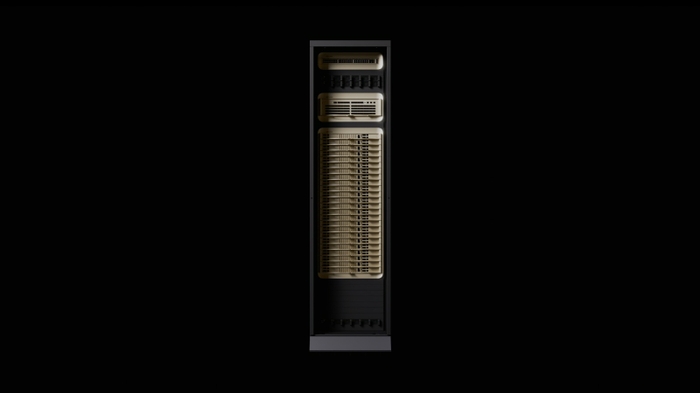


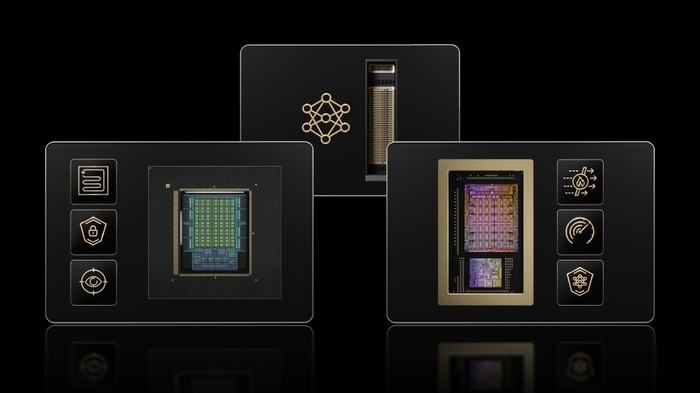
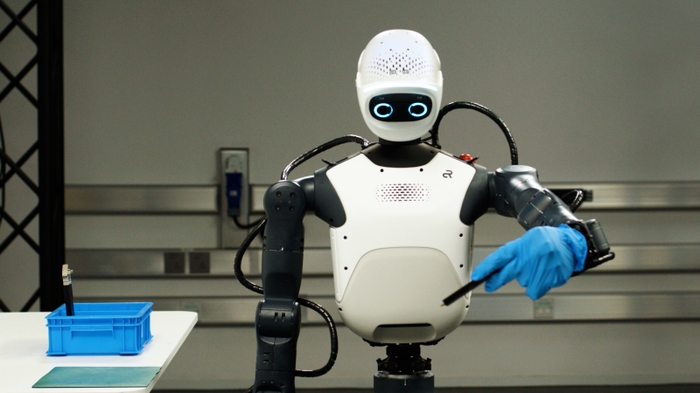


Our CEO Jensen Huang and @Dell Chairman & CEO @MichaelDell kicked things off at #DellTechWorld in Vegas with a look at how the Dell AI Factory with NVIDIA is redefining how companies build, run, and scale AI. We saw NemoClaw powering agentic AI on-prem, robots demonstrating #physicalAI in the real world, and sessions packed with enterprise use cases.
For nearly 20 years, Debora Shoquist has led the operations that bring NVIDIA technology to the world. Congratulations to our EVP of Operations on receiving the @GlobalSemi's 2026 Dr. Lisa Su Woman of Innovation Award. 🏆 Learn more about Deb’s career, leadership, and https://t.co/68qUtC4eNm
That's a wrap on #RAISESummit, Paris. An incredible week of customer meetings, partner conversations, and discussions on the future of AI infrastructure, inference, and deployment. The momentum across Europe's AI ecosystem is real, and it's exciting to see localized innovation accelerating at such a pace. Looking forward to what's next. 🚀 🔗 nvda.ws/3RdT85J
NVIDIA cuPhoton Brings Real-Time Black Hole Science to GPUs
NVIDIA cuPhoton moves the scientific data pipeline onto GPUs, helping researchers study black holes as events unfold. - Eight radio observatories worked together as a virtual telescope the size of Earth to capture the first image of a black hole in the M87 galaxy - cuPhoton streams only the data needed for black hole jets and overlaps loading with signal processing, reconstruction, analysis and visualization, all of which AI agents can run - It speeds up data loading by up to 3,700x and correlation by up to 460x, scaling across multi-node systems powered by the NVIDIA Vera Rubin platform - Data can now be acquired at rates up to 345 GHz, cuPhoton reduces months of compute to minutes and help resolve the light rings around black hole Learn More: https://www.nvidia.com/en-us/high-performance-computing/ai-for-science/cuphoton/